Explore the Different Types of Fostering Available
Understanding the various types of fostering is essential for those considering this rewarding journey. Discover how you can make a meaningful difference in the lives of vulnerable children by finding the right fostering option for you.
Getting Started with Fostering
To explore the different types of fostering, begin by researching the various options available. Familiarize yourself with terms like respite care, emergency fostering, and long-term placements. Each type serves distinct needs and understanding these differences will help you identify which aligns best with your circumstances and goals.
Next, consider attending an information session or workshop offered by fostering agencies, such as Match Foster Care. These sessions provide valuable insights into the fostering process, the responsibilities involved, and the support available to foster carers. Engaging with current foster carers can also offer real-life perspectives and answer any questions you may have. This foundational knowledge will empower you as you delve deeper into the world of fostering and ultimately help you make an informed decision about your role in supporting vulnerable children.
Top 3 Things to Know About Different Types of Fostering
The world of fostering can be complex. Get to grips with the different types of fostering and understand the unique aspects of each type.
Understanding Emergency Fostering
Emergency fostering provides immediate care for children in urgent situations. It’s a short-term option, often lasting only a few days or weeks.
Long-term and Short-term Fostering
Short-term fostering can last from a few weeks to a couple of years. Long-term fostering continues until the child turns 18 and provides a stable home.
Respite and Therapeutic Fostering
Respite fostering offers temporary relief to parents or other foster carers. Therapeutic fostering supports children with complex emotional or behavioural needs.
4 Practical Things to Know
If you are exploring the different types of fostering, it helps to understand what day-to-day care involves, what children may need, and what support is available. These four practical points explain the main things to consider before deciding which fostering role could suit your home, experience and availability.
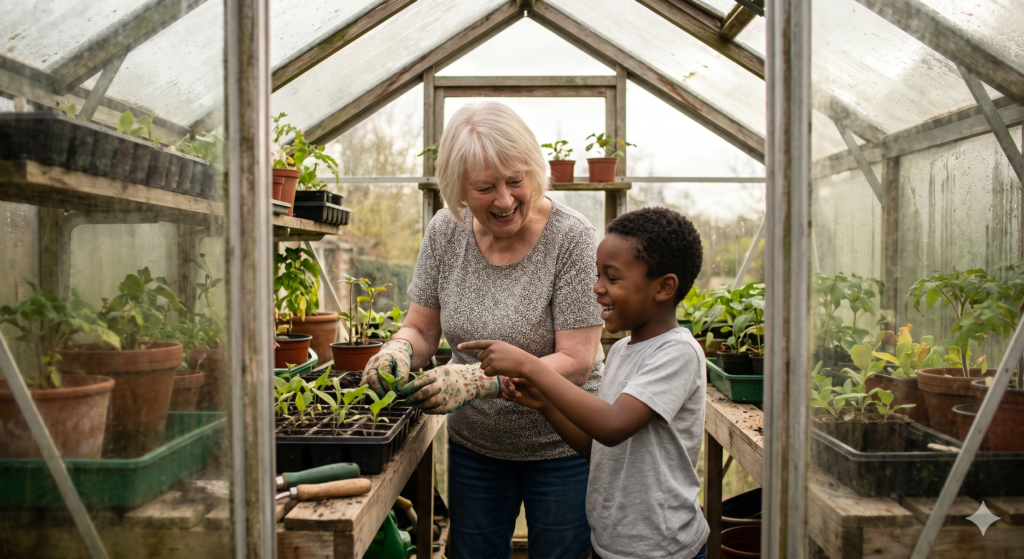
Placement length matters
Different types of fostering often depend on how long a child stays. Some placements are short term, lasting days, weeks or months, while others are long term and offer greater stability over years. You should think carefully about what commitment fits your family life, work pattern and emotional capacity.
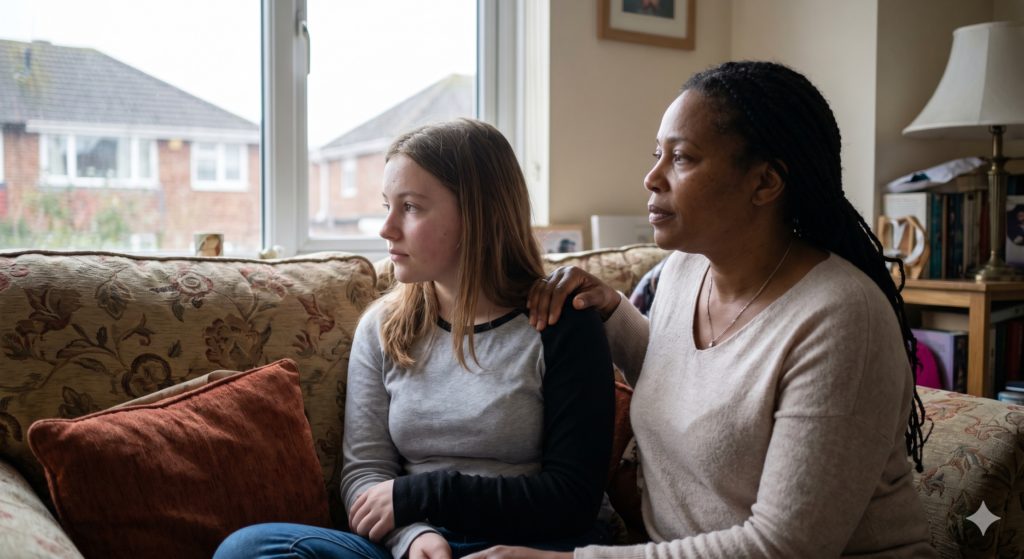
Children have different needs
No two fostering placements are the same. Some children need emergency care, some need support through disability, and others may need parent and child fostering or specialist therapeutic care. Understanding the level of care required helps you decide where your skills, patience and home environment can be most useful.

Training and support vary
Each fostering role can involve different training, expectations and professional input. For example, specialist placements may need extra learning, closer work with social workers, and more detailed record keeping. A good fostering agency like Match Foster Care will provide training, supervision and ongoing support matched to the placement.

Your household must fit
Choosing between different types of fostering also means looking honestly at your household. Spare bedroom space, other children at home, transport, pets, routines and availability all matter. The right fostering type should work safely and realistically for everyone in your home, not just in theory.
Navigating the Fostering Journey
The fostering process at Match Foster Care begins with an initial inquiry, where prospective carers learn about the different types of fostering available.
This stage is crucial for understanding the roles and responsibilities involved. After expressing interest, applicants undergo a thorough assessment process, including background checks and home visits, to ensure a safe and nurturing environment for children.
Once approved, foster carers receive comprehensive training tailored to the specific type of fostering they are interested in. This training equips them with the skills and knowledge necessary to support vulnerable children effectively.
Match Foster Care provides ongoing guidance and professional development opportunities to ensure carers are well-prepared for any challenges they may face.
The final step in the process is the careful matching of foster carers with children. This involves considering the specific needs and circumstances of each child and the strengths and preferences of the foster carer.
By prioritizing compatibility, Match Foster Care aims to create stable and supportive home environments where children can thrive.
Fostering Variety
There are over 10 different types of fostering, each tailored to meet the unique needs of children and carers.
Find Your Perfect Fostering Path
Explore our comprehensive guide to different types of fostering and get personalized support in choosing the right option for you and the children you’ll help.
Testimonials from
Astra & Stefan
Follow Astra and Stefan’s journey with Match as they share how they became foster carers, the support they received, and the meaningful difference they have made in a child’s life.