Explore the Diverse Types of Therapeutic Fostering
At Match Foster Care, we understand that therapeutic fostering can take many forms. Discover the various programmes available, designed to meet the unique needs of children and foster carers alike, and find the perfect match for your journey.
The Therapeutic Fostering Journey
Therapeutic fostering with Match Foster Care begins with a comprehensive recruitment process, where potential foster carers are evaluated to ensure they possess the qualities needed to provide a nurturing environment. This includes an in-depth assessment of the applicant’s background, skills, and motivations. Once approved, foster carers undergo specialized training designed to equip them with the necessary tools to support children with therapeutic needs. The training covers a range of topics, including trauma-informed care and effective communication strategies, ensuring carers are well-prepared for the unique challenges they may face.
The next phase involves the careful matching of foster carers with children. This stage is critical, as it determines the success of the placement. Match Foster Care takes into account the specific needs of the child and the strengths of the foster carers to create a supportive and stable environment. This tailored approach ensures that children receive the right level of care and support, fostering growth and healing.
Once a match is made, foster carers receive ongoing support from Match Foster Care. This includes regular check-ins, access to professional development opportunities, and guidance from experienced social workers. The agency prioritizes the well-being of both the children and the carers, ensuring that everyone involved in the therapeutic fostering process feels supported and valued. This continuous support network helps maintain a stable home environment, promoting positive outcomes for all parties involved.
The Benefits of Therapeutic Fostering with Match Foster Care
Therapeutic fostering provides a structured, nurturing environment for children with complex emotional and behavioral needs. At Match Foster Care, our comprehensive approach ensures foster carers are fully supported, enabling you to focus on making a real difference in a child’s life. Discover how our unique benefits can enhance your fostering journey and help you succeed.
Outstanding Standards of Care
Our Ofsted “Outstanding” rating reflects our commitment to exceeding national standards, ensuring both foster carers and children receive unparalleled care and support. This dedication to excellence means you can trust in the quality of service and guidance provided, giving you confidence in your role as a therapeutic foster carer.
Streamlined Administrative Processes
With Match Foster Care, you’ll spend less time on paperwork and more time focusing on the child in your care. We handle the majority of administrative tasks, freeing you from the burden of daily logs and allowing you to concentrate on creating a stable, loving environment for the child.
Family-Run and Child-Centric Approach
As a family-run agency, our priorities lie with the well-being of children and the support of our carers. Without the pressure of external investors, we focus on providing compassionate, personalized support, ensuring that both you and the child can thrive in a nurturing and caring environment.
Comprehensive Multi-Disciplinary Support
Access to a unique multi-disciplinary support team, including a therapeutic practitioner, a registered nurse, and education workers, ensures that all aspects of the child’s needs are met. This holistic support system empowers you to provide tailored care that addresses emotional, physical, and educational needs effectively.
Personalized 24/7 Support
Our 24/7 support is provided by staff who are familiar with your specific situation, offering personalized assistance whenever needed. This level of consistent and knowledgeable support ensures you never feel alone in your fostering journey, providing peace of mind and enhancing your ability to offer high-quality care.
Getting Started with Therapeutic Fostering
To begin your path in therapeutic fostering, it’s essential to understand the various types of programs available. Start by researching the specific needs of children in your area and the different therapeutic approaches applied in fostering. This knowledge will help you identify the type of therapeutic fostering that aligns with your interests and capabilities. Consider reaching out to independent fostering agencies, like Match Foster Care, for comprehensive resources and guidance.
Once you’ve gathered information, the next step is to participate in training sessions offered by fostering agencies. These sessions provide valuable insights into trauma-informed care, behavioral management strategies, and the importance of a supportive environment. Engaging with experienced foster carers can also offer practical perspectives and insights. By equipping yourself with knowledge and skills, you will be well-prepared to make a meaningful impact in a child’s life through therapeutic fostering.
4 Things to Know About Therapeutic Fostering
If you are considering therapeutic fostering, it helps to understand how it works in practice. From the needs of the child to the support given to carers, there are key points that affect day-to-day life. Here are four practical things to know before deciding if therapeutic fostering is right for you.
Children’s needs are complex
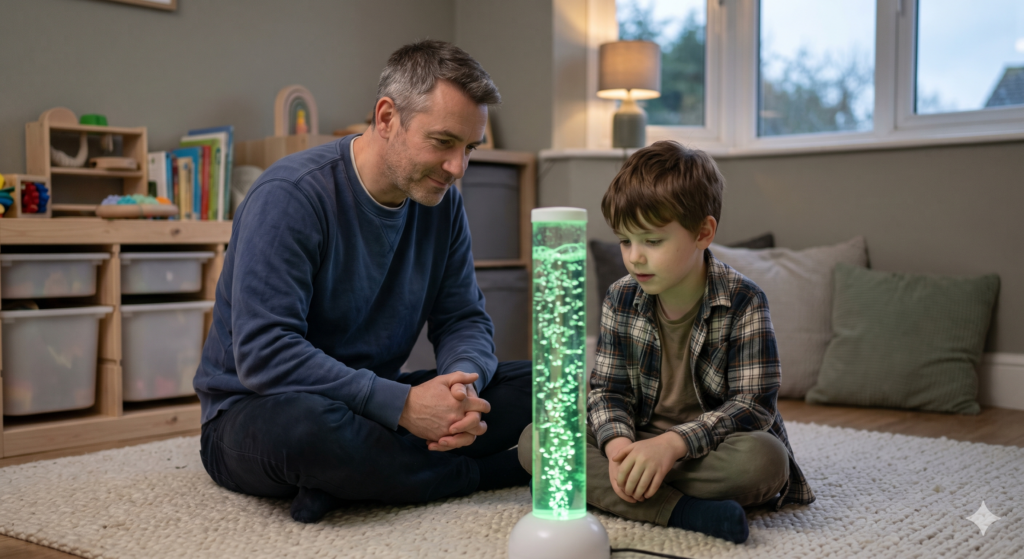
Therapeutic fostering usually supports children who have experienced trauma, neglect or repeated placement breakdowns. Their behaviour may reflect fear, loss or difficulty trusting adults. Carers need patience, consistency and a willingness to follow therapeutic approaches that help children feel safe, understood and better able to build healthy relationships over time.

Training is essential
Therapeutic fostering requires more than general fostering experience. Carers are usually given specialist training in trauma-informed care, attachment, behaviour support and emotional regulation. This helps them respond appropriately in challenging situations. Good preparation also gives carers practical tools they can use daily to support progress and reduce placement disruption.

Support should be ongoing
Strong ongoing support is a vital part of therapeutic fostering. Carers should expect regular supervision, access to experienced professionals and help when difficulties arise. This may include therapeutic advice, support groups and out-of-hours guidance. Reliable support makes placements more stable and helps carers feel confident in their role.

Matching matters greatly
A careful match between carer and child is one of the most important parts of therapeutic fostering. Agencies should consider the child’s history, needs, routines and risks alongside the carer’s skills, experience and household. Thoughtful matching improves stability, supports trust and gives the placement the best chance of success.
Top 5 Questions About Therapeutic Fostering
What is therapeutic fostering and how does it differ from traditional fostering?
Therapeutic fostering is a specialised form of fostering that focuses on providing emotional and psychological support to children with complex needs. Unlike traditional fostering, which primarily offers a safe home, therapeutic fostering involves tailored interventions and training to address trauma and behavioural challenges effectively.
What qualifications or training do I need to become a therapeutic foster carer?
To become a therapeutic foster carer, you typically need to complete a comprehensive assessment process, which includes training in child development, trauma-informed care, and behaviour management. Relevant experience with children and a commitment to ongoing professional development are also essential.
What support does Match Foster Care provide for therapeutic fostering placements?
Match Foster Care offers comprehensive support for therapeutic fostering placements, including tailored training for foster carers, access to specialist therapeutic resources, and ongoing supervision from experienced professionals. This ensures that carers are equipped to meet the unique needs of children in their care effectively.
How can therapeutic fostering make a difference in a child's life?
Therapeutic fostering provides a nurturing environment tailored to a child’s emotional and psychological needs. By offering specialised support and stability, it helps children develop coping skills, build trust, and improve their overall well-being, ultimately fostering resilience and promoting positive life outcomes.
What types of children are best suited for therapeutic fostering?
Children who have experienced trauma, emotional difficulties, or behavioural challenges are best suited for therapeutic fostering. These programmes provide the necessary support and stability to help them heal and develop, making them ideal for children requiring a nurturing and understanding environment.
Explore Your Therapeutic Fostering Options
Unlock the potential of therapeutic fostering with our expert guidance. Discover tailored programs that meet your needs and help you transform lives. Start your journey with us today.
Testimonials from
Astra & Stefan
Follow Astra and Stefan’s journey with Match as they share how they became foster carers, the support they received, and the meaningful difference they have made in a child’s life.